
This role involves navigating a wide array of duties, from managing intricate data subject access requests to conducting detailed Data Privacy Impact Assessments (DPIAs) before a new product launch. They are the guardians of personal data, tasked with proactively identifying risks and embedding privacy-conscious practices directly into the fabric of business operations. A failure in any of these areas can lead to significant financial penalties, reputational damage, and a loss of consumer confidence.
This comprehensive guide will break down the ten essential responsibilities every DPO must master. For each duty, we will provide actionable checklists, concrete real-world examples, and practical tips for effective implementation. We will also explore how modern observability and analytics QA tools are becoming indispensable for automating compliance verification, giving DPOs the visibility they need to manage their multifaceted duties proactively and with precision.
1. Compliance Monitoring and Regulatory Adherence
One of the core data protection officer responsibilities is to serve as the organization's compass in the ever-shifting landscape of privacy law. This involves establishing and maintaining a robust framework for continuous compliance monitoring. The DPO must ensure the company not only adheres to current regulations like GDPR, CCPA, and LGPD but is also prepared for emerging privacy legislation worldwide. This function goes beyond a one-time audit; it's a dynamic, ongoing process of tracking legal changes, conducting gap analyses, and driving the necessary evolution of internal policies and procedures.
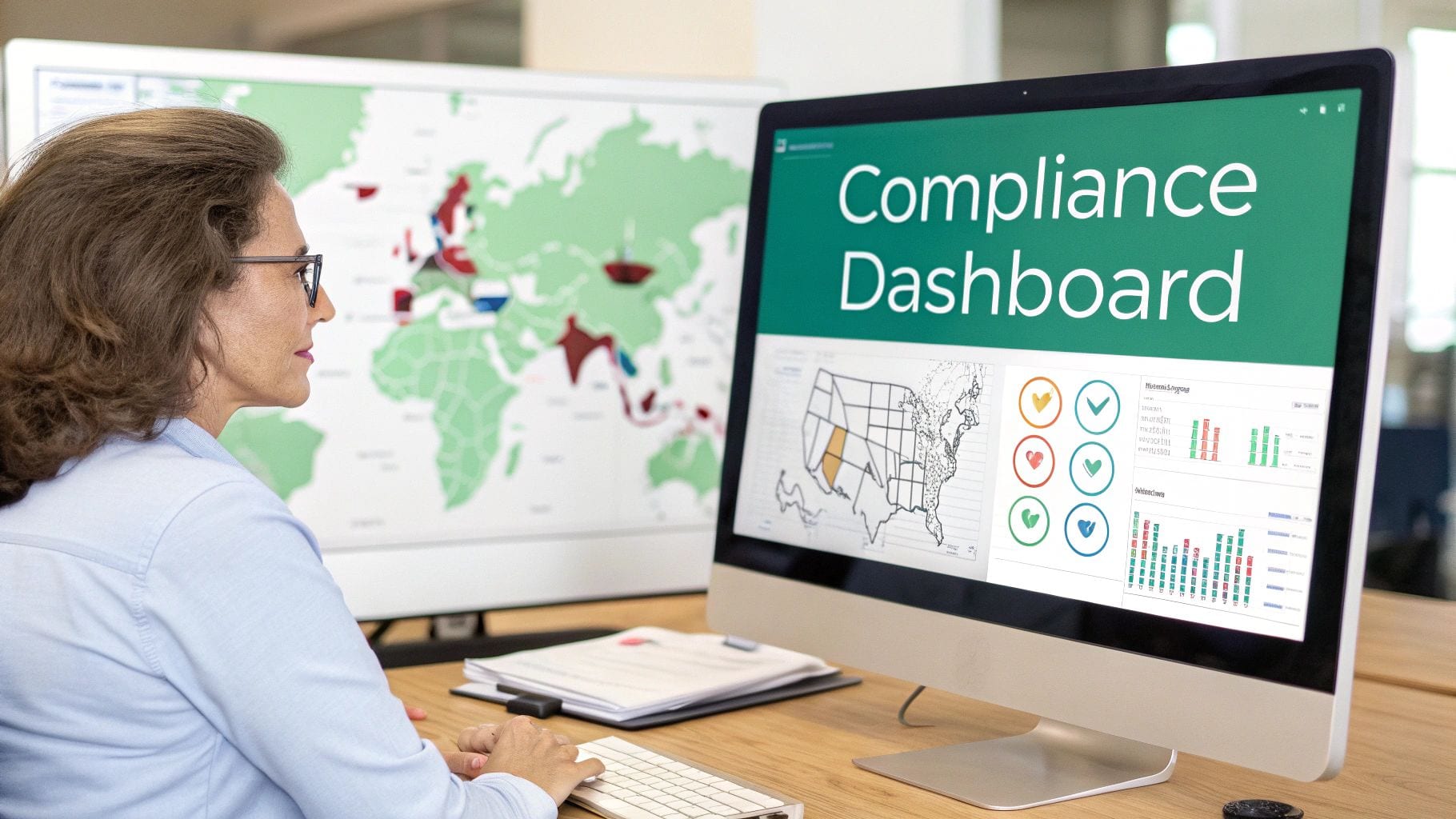
For digital analysts and data teams, this translates into verifying that every aspect of data collection, processing, and transmission aligns with the specific rules of each jurisdiction. For instance, a DPO at a global e-commerce company must ensure that the analytics tracking on their site respects GDPR's consent requirements for European users while simultaneously adhering to CCPA's "opt-out" mechanisms for California residents. This requires meticulous oversight of data flows and configurations.
Implementation in Practice
- Financial Institutions: A bank's DPO maintains a real-time compliance dashboard that monitors adherence to both PCI-DSS for payment data and GDPR for customer personal data, flagging any deviations for immediate review.
- Tech Companies: DPOs at Meta and Google conduct mandatory quarterly reviews of their data processing activities against GDPR articles, documenting every assessment to demonstrate accountability to regulators.
- SaaS Platforms: A company using a tool like Trackingplan implements automated consent-mode checks. The DPO uses the platform to verify that PII is only collected after valid user consent is obtained, preventing accidental data breaches and ensuring compliance across different regions. You can read more about PII data compliance here.
Actionable Tips for DPOs
- Stay Informed: Subscribe to regulatory update services from reputable legal tech firms to receive timely alerts on new laws and amendments.
- Automate and Verify: Implement automated compliance monitoring tools to scan for non-compliant data processing, but supplement this with regular manual reviews and audits.
- Maintain Meticulous Records: Keep detailed documentation of all compliance activities, including assessments, training sessions, and policy updates. This record is crucial for demonstrating accountability during regulatory inquiries.
- Conduct Regular Training: Schedule recurring training sessions for all relevant staff to educate them on new regulations and reinforce existing data protection policies.
2. Data Privacy Impact Assessments (DPIA)
Another critical component of data protection officer responsibilities is to spearhead and oversee Data Privacy Impact Assessments (DPIAs). Mandated by regulations like GDPR for processing likely to result in a high risk to individuals' rights and freedoms, a DPIA is a structured process to identify and minimize privacy risks. The DPO must ensure these assessments are conducted before the deployment of any new technology, data processing activity, or system that handles personal information. This is a proactive, not a reactive, function designed to embed privacy by design into the organization's operations.
For digital and data teams, this means a DPIA is essential before implementing new marketing pixels, integrating a third-party analytics tool, or launching a server-side tracking setup. The DPO guides the team in systematically evaluating how these data collection and processing activities could impact user privacy, assessing the necessity of the processing, and defining concrete measures to mitigate identified risks. It transforms privacy from an afterthought into a foundational element of project planning.
Implementation in Practice
- E-commerce: A DPO at a retail company initiates a DPIA before launching a new personalized recommendation engine, analyzing how customer browsing and purchase history will be used and documenting safeguards to prevent profiling that could have discriminatory effects.
- Martech: A marketing team, under DPO guidance, conducts a DPIA before integrating a new Customer Data Platform (CDP). They assess data transfer mechanisms, the vendor's security posture, and how data will be segmented to ensure it aligns with user consent.
- Analytics Teams: A company uses a tool like Trackingplan to scan a new analytics implementation in a staging environment. The DPO uses the scan results, which highlight potential PII leaks or unapproved data transfers, as a key input for the DPIA, identifying risks before they go live.
Actionable Tips for DPOs
- Start Early: Initiate the DPIA process at the earliest possible stage of a new project or system design to ensure privacy is built in from the ground up.
- Be Collaborative: Involve a cross-functional team, including developers, marketers, legal, and product managers, to get a holistic view of the data processing and its potential impacts.
- Use Official Guidance: Leverage DPIA templates and guidelines provided by regulatory authorities like the ICO or CNIL to ensure your assessment is comprehensive and meets legal standards. You can find out more by using this handy privacy impact assessment template.
- Document Everything: Meticulously record every step of the DPIA process, including identified risks, mitigation measures considered, and the final decisions made. This documentation is vital for demonstrating accountability.
3. Consent and Cookie Management Oversight
Another crucial area among data protection officer responsibilities is the meticulous oversight of consent and cookie management. The DPO is tasked with ensuring that all mechanisms for obtaining user consent are not only present but are also compliant and functioning correctly. This is especially vital for websites and applications that use cookies, tracking pixels, and other digital identifiers for analytics, marketing, and personalization. The DPO must guarantee that the organization’s consent frameworks, such as cookie banners, are clear, granular, and honor user preferences in real time.

For data and marketing teams, this means verifying that tracking technologies only activate after explicit, informed consent has been given. A DPO at a media company, for example, must confirm that third-party advertising pixels do not fire before a user interacts with the consent banner. Similarly, they need to ensure that if a user rejects non-essential cookies, all associated tracking is immediately disabled. This requires a deep technical understanding of how consent signals are passed and respected by various marketing and analytics tools.
Implementation in Practice
- E-commerce Platforms: A DPO ensures an e-commerce site's abandoned cart pixels and retargeting tags only collect data after a user has explicitly opted into marketing cookies via the consent management platform (CMP).
- Major News Sites: To comply with ePrivacy directives, news organizations implement complex, region-specific cookie banners that allow users to granularly accept or reject cookies by purpose (e.g., analytics, advertising).
- Digital Agencies: An agency DPO uses a tool like Trackingplan to monitor consent configurations across all client websites. The platform automatically detects instances where pixels fire without proper consent flags, such as with Google Consent Mode v2, allowing for immediate remediation before it becomes a compliance issue.
Actionable Tips for DPOs
- Implement a Robust CMP: Use a Consent Management Platform that integrates with your tag management and analytics systems to centralize and automate consent collection.
- Audit Regularly: Conduct periodic audits of your cookie banners and consent mechanisms to ensure they align with the latest interpretations of GDPR and other privacy laws.
- Automate Consent Verification: Leverage analytics observability tools to continuously scan for misconfigurations and verify that tracking tags respect user consent choices in real-world scenarios.
- Maintain Detailed Records: Keep immutable logs of all user consent preferences, including timestamps and the specific version of the policy they agreed to, as proof of compliance.
4. Data Subject Rights Management
A fundamental component of data protection officer responsibilities is to champion and facilitate the rights of individuals. The DPO is tasked with building and overseeing efficient systems to manage data subject requests (DSRs), which include the right to access, rectify, erase ("right to be forgotten"), and port personal data. This duty requires creating clear, accessible workflows to receive, verify, and respond to these requests within strict regulatory deadlines, such as the 30-day window mandated by GDPR. It's a critical function that bridges legal obligations with customer trust.

For organizations heavily reliant on analytics, this responsibility extends deep into their data architecture. Fulfilling an erasure request isn't just about deleting a primary user account; it involves purging associated tracking data and user profiles from a complex web of marketing and analytics tools. The DPO must ensure that when a user like one from LinkedIn requests their profile data or a Facebook user exercises their right to be forgotten, the process is thorough, documented, and complete across all systems.
Implementation in Practice
- Social Media Platforms: A DPO at a major social network manages a dedicated portal where users can submit GDPR erasure requests, triggering an automated workflow that scrubs data from production databases, analytics warehouses, and advertising platforms.
- E-commerce Retailers: When a customer requests data access, the DPO’s process compiles a complete report including purchase history, browsing activity, and any data shared with third-party marketing partners.
- Data-Driven Organizations: A company using a tool like Trackingplan can quickly respond to an erasure request by using its complete data map. The DPO can identify every single touchpoint and third-party vendor receiving that user’s PII, ensuring no data fragment is left behind in the marketing stack.
Actionable Tips for DPOs
- Centralize Intake: Implement a centralized request management system or portal to streamline the intake, tracking, and fulfillment of all DSRs.
- Maintain a Data Map: Keep an up-to-date and detailed map of all data systems to quickly locate where specific personal data resides, which is essential for timely fulfillment.
- Automate Where Possible: Leverage automation to handle routine aspects of DSR fulfillment, such as identity verification and data retrieval, to improve efficiency and reduce human error.
- Document Everything: Maintain meticulous records of every request received, the actions taken, and the final response for audit and accountability purposes.
5. Vendor and Third-Party Risk Assessment
Another critical area of data protection officer responsibilities is managing the risks associated with third-party vendors and data processors. An organization's data protection posture is only as strong as its weakest link, and this often lies with external partners. The DPO is responsible for meticulously vetting, onboarding, and monitoring every vendor that accesses, processes, or stores the company’s personal data, from cloud providers like AWS to marketing technology partners and analytics platforms. This involves ensuring robust Data Processing Agreements (DPAs) are in place and that each vendor meets the organization's security and compliance standards.
This function is vital for data and analytics teams, who often integrate numerous third-party tools for tracking, advertising, and user engagement. The DPO must ensure that before any new marketing pixel or analytics SDK is deployed, the vendor behind it has been thoroughly assessed for its data privacy practices. This prevents the organization from inadvertently sharing user data with non-compliant entities, which could lead to significant regulatory penalties and reputational damage.
Implementation in Practice
- Fortune 500 Companies: A DPO for a multinational retailer conducts an exhaustive annual security assessment of its primary cloud provider (e.g., Azure or GCP), reviewing its SOC 2 Type II reports and data processing addendums to ensure continued compliance.
- Digital Agencies: An agency's DPO evaluates the DPA and data transfer mechanisms for platforms like Google Analytics before implementing them for clients, ensuring that data processing aligns with client-specific and regional legal requirements.
- Marketing Teams: Before integrating a new martech tool via a CDP like Segment, the DPO mandates a privacy review. This involves using a tool like Trackingplan to automatically identify all third-party destinations receiving user data, verifying that only approved and vetted vendors are in the data stream.
Actionable Tips for DPOs
- Standardize Assessments: Create and use a standardized vendor risk assessment questionnaire to ensure a consistent and thorough evaluation process for all potential partners.
- Maintain a Vendor Inventory: Keep a live inventory or scorecard of all third-party vendors, detailing their compliance status, risk level, and the date of their last review.
- Scrutinize DPAs: Ensure all Data Processing Agreements include essential clauses mandated by regulations like GDPR, such as data breach notification timelines and the right to audit.
- Automate Vendor Discovery: Implement tools that can continuously scan your digital properties to discover all third-party scripts and pixels, helping you identify unsanctioned or "shadow IT" vendors that may be collecting data without approval.
6. Privacy By Design and Data Minimization Governance
A pivotal aspect of modern data protection officer responsibilities is to champion the principles of Privacy by Design and by Default. This proactive approach, enshrined in Article 25 of the GDPR, requires embedding data protection into the very foundation of new projects, systems, and technologies, rather than treating it as an afterthought. The DPO must ensure that principles like data minimization (collecting only what is absolutely necessary), purpose limitation, and storage limitation are core tenets of the organization's development lifecycle.
This philosophy shifts privacy from a compliance hurdle to a fundamental component of product and service design. For digital and data teams, this means critically evaluating every single data point requested or tracked. A DPO at a mobile gaming company, for instance, would challenge developers to justify why they need access to a user's contact list when it isn't essential for gameplay, thereby minimizing the data footprint and reducing risk from the outset.
Implementation in Practice
- Tech Companies: Apple's App Tracking Transparency framework is a prime example, forcing developers to design their apps with user consent and data minimization as a default setting, not an option.
- Search Engines: DuckDuckGo built its entire business model on Privacy by Design, collecting no personal information and demonstrating that a valuable service can be provided without extensive data harvesting.
- SaaS Platforms: A Trackingplan customer can configure alerts to detect when new, unapproved data parameters or tracking events are added to their analytics implementation. The DPO uses this to enforce data minimization policies, preventing the collection of superfluous data before it becomes a systemic issue.
Actionable Tips for DPOs
- Establish Privacy Review Gates: Integrate mandatory privacy impact assessments (PIAs) into key stages of the project development lifecycle, such as design and pre-launch.
- Audit Data Collection Regularly: Actively audit existing data streams and databases to identify and remove unnecessary or obsolete data fields. This relies on robust data sanitization practices to ensure information is properly disposed of.
- Develop Data Minimization Checklists: Create and distribute simple checklists for product managers and developers to consult when designing new features that involve data collection.
- Train and Evangelize: Conduct workshops to educate technical and non-technical teams on the principles of Privacy by Design, emphasizing its benefits for building user trust and creating better products.
7. Data Breach Response and Incident Management
A critical component of all data protection officer responsibilities is to orchestrate an organization's defense and response when a data breach occurs. The DPO is responsible for creating, maintaining, and executing a comprehensive incident response plan. This plan must ensure the rapid detection of security incidents, swift assessment of their impact, and timely notification to both regulatory authorities and affected individuals. Under strict regulations like GDPR, organizations are mandated to report significant breaches to supervisory authorities within 72 hours of discovery, making this a time-sensitive and high-stakes duty.
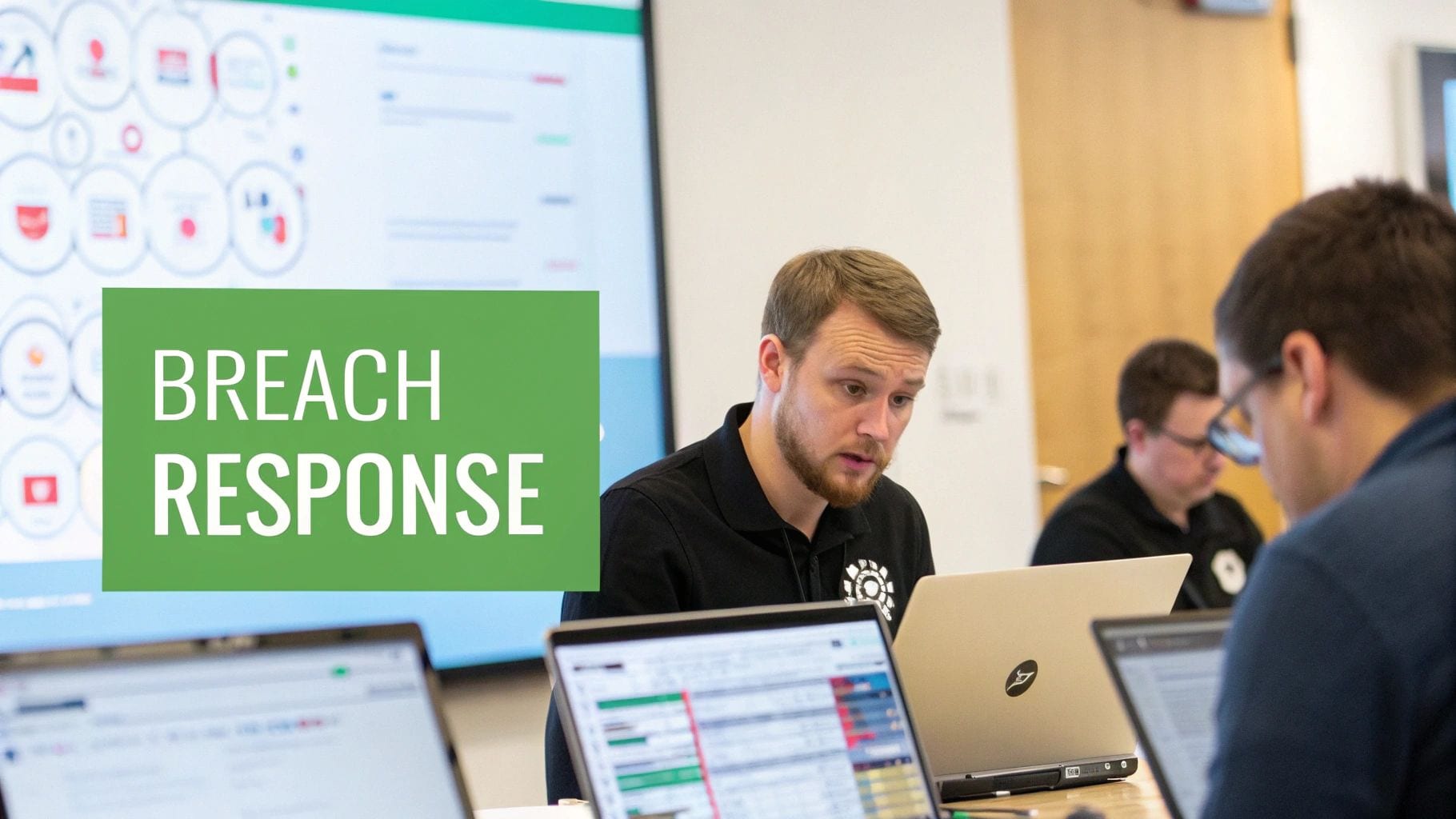
For data and analytics teams, this means having a clear protocol for identifying and escalating potential breaches, such as the accidental exposure of personal data. A well-prepared DPO ensures that channels of communication are established and that every team member understands their role in the response process. The aftermath of major breaches, like those affecting Equifax or British Airways, underscores the severe financial and reputational damage that can result from a poorly managed incident, highlighting the importance of a DPO’s leadership in this area.
Implementation in Practice
- Healthcare Providers: A hospital's DPO conducts quarterly breach simulation drills, testing the 72-hour notification process to the relevant health data authority and ensuring patient communication protocols are effective and compassionate.
- E-commerce Platforms: Following a credential-stuffing attack, an online retailer’s DPO immediately activates their incident response team to assess the scope, notify affected users to change their passwords, and report the event to regulators within the legal timeframe.
- Digital Media Companies: A company using a tool like Trackingplan leverages its real-time monitoring to get alerts on potential PII leaks. The DPO can use these early warnings to investigate and contain a potential breach before it escalates, demonstrating proactive risk management.
Actionable Tips for DPOs
- Develop and Test: Create a detailed incident response plan and conduct regular tabletop exercises or full-scale simulations to test its effectiveness and identify weaknesses.
- Define Roles Clearly: Establish a dedicated incident response team with clearly defined roles and responsibilities to ensure a coordinated and efficient reaction.
- Automate Detection: Implement advanced monitoring tools that can automatically detect unusual data access patterns, unauthorized API calls, or potential PII exfiltration for early discovery.
- Document Everything: Maintain meticulous records of every step taken during a breach investigation and response, from initial discovery to final resolution, to demonstrate due diligence to regulators.
8. Cross-Functional Privacy Training and Awareness
One of the most critical data protection officer responsibilities is to build a robust privacy culture from the ground up. This is achieved by developing and delivering comprehensive, ongoing training and awareness programs across the entire organization. The DPO acts as an internal educator, ensuring that every employee, from developers and marketers to executives, understands their specific role in protecting personal data. Effective training is the first line of defense against privacy incidents caused by human error and is fundamental to embedding data protection principles into the company’s DNA.
This responsibility requires the DPO to translate complex legal requirements into practical, role-specific guidance. For instance, an analytics team needs to learn how to identify and protect PII in tracking data, while a marketing team must fully grasp the nuances of user consent for digital advertising campaigns. The goal is to move beyond mere compliance and foster a proactive mindset where privacy is considered a shared organizational value and a business enabler.
Implementation in Practice
- Tech Companies: A leading software company mandates annual GDPR and privacy certification for all employees. The training includes interactive modules on data handling specific to their roles, with developers focusing on privacy by design and sales teams on compliant CRM usage.
- Marketing Agencies: The DPO for a digital marketing firm conducts quarterly workshops on consent management platforms and the implications of cookie regulations, ensuring campaign managers build compliant and ethical advertising strategies.
- Analytics Teams: An e-commerce company’s DPO uses anonymized case studies from their analytics QA tool to show the analytics team how PII could be accidentally leaked into tracking events, reinforcing the importance of vigilant data classification and governance.
Actionable Tips for DPOs
- Develop Role-Specific Modules: Create tailored training content for different departments. Developers need to understand secure coding, while HR needs to know about employee data rights.
- Make It Engaging: Use real-world scenarios, interactive quizzes, and practical examples to make the training memorable. To ensure privacy training is effective across the organization, DPOs should implement actionable compliance training best practices.
- Integrate into Onboarding: Make data protection training a mandatory part of the onboarding process for all new hires to establish a strong privacy foundation from day one.
- Track and Test: Monitor training completion rates and use short assessments to test comprehension, identifying areas where further education is needed.
- Create Privacy Champions: Establish a network of "privacy champions" within various departments to advocate for data protection and serve as a first point of contact for their peers.
9. Data Governance, Inventory, and Documentation
A cornerstone of the data protection officer responsibilities is to establish and maintain a comprehensive and living record of the organization's data landscape. This involves overseeing data governance, creating a detailed data inventory, and ensuring all processing activities are meticulously documented. This is not a static exercise but a continuous process of mapping what data is collected, its source, the legal basis for processing, retention periods, and who has access. For data and analytics teams, this documentation is the bedrock of accountability and is critical for audits and responding to Data Subject Access Requests (DSARs).
This function serves as the organization's single source of truth for its data operations. A DPO at a mobile gaming company, for instance, would maintain a detailed Record of Processing Activities (ROPA) that documents every in-app event, the third-party SDKs receiving that data, the purpose (e.g., performance analytics, targeted advertising), and the specific user consent flags associated with each data flow. This level of detail is non-negotiable for demonstrating compliance.
Implementation in Practice
- E-commerce Retailers: A DPO maintains a GDPR-compliant ROPA that details every customer data point from browsing history to purchase information, including retention schedules that trigger automated deletion of data after a specified period.
- Healthcare Providers: In a hospital, the DPO oversees a data inventory that maps all patient health information (PHI), detailing access controls and logging every instance of data access to comply with HIPAA and GDPR.
- Martech Stacks: A DPO utilizes a tool like Trackingplan to automatically discover and map all analytics events and their destinations. This creates a real-time data inventory, flagging any undocumented or rogue tracking that could pose a compliance risk. You can discover more about data governance best practices here.
Actionable Tips for DPOs
- Centralize Your Inventory: Implement a centralized data inventory system, whether a dedicated platform or a structured spreadsheet, to act as the single source of truth.
- Assign Clear Ownership: Designate data owners or stewards within each business unit to be responsible for keeping their respective parts of the inventory current.
- Visualize Data Flows: Create and maintain visual data flow diagrams that map how data moves between systems, which is invaluable for stakeholder communication and risk assessments.
- Automate Discovery: Use automated tools to continuously scan your digital properties and discover new tracking tags or data flows, ensuring your inventory is always accurate.
- Establish Review Cadences: Conduct regular, scheduled reviews (e.g., quarterly or annually) of the entire data inventory to reconcile it with actual data processing activities.
10. Privacy Impact Analysis and Strategic Advisory
Beyond mere compliance, one of the most vital data protection officer responsibilities is to act as a strategic advisor to the business. This involves proactively analyzing the privacy implications of new initiatives, technologies, and market expansions to guide the organization toward sustainable growth. The DPO helps balance innovation with privacy obligations, ensuring that data protection is not an afterthought but a core component of business strategy. This strategic function transforms privacy from a cost center into a competitive differentiator and a pillar of brand trust.
For data and marketing teams, this means the DPO is a key partner in the earliest stages of planning. Before launching a new product feature that uses personalized data or expanding into a new region with unique privacy laws, the DPO provides a critical impact analysis. They assess potential risks, evaluate the implications of acquiring third-party data sets, and advise on how to position the company's privacy stance as a market advantage, protecting both customers and the organization's reputation.
Implementation in Practice
- M&A Transactions: During a potential acquisition, the DPO of the acquiring company conducts thorough privacy due diligence on the target, identifying hidden liabilities related to non-compliant data handling practices that could impact the deal's valuation.
- New Market Expansion: A retail DPO assesses the privacy risks of expanding e-commerce operations into Brazil, providing strategic guidance on adapting consent mechanisms and data localization to comply with LGPD before the launch.
- Product Development: A DPO at a health-tech startup advises the product team on building a new feature with Privacy by Design principles, ensuring it meets HIPAA requirements from day one and can be marketed as a secure, trustworthy solution.
Actionable Tips for DPOs
- Learn to Speak Business: Frame privacy discussions in terms of business value, risk mitigation, and competitive advantage rather than just legal obligations.
- Quantify Privacy's Value: Develop business cases for privacy initiatives that include concrete metrics like reduced breach costs, increased customer trust, and enhanced brand loyalty.
- Engage in Strategic Planning: Actively participate in high-level strategic planning and product development meetings to embed privacy considerations early in the lifecycle.
- Conduct Competitive Analysis: Regularly analyze how competitors are positioning their privacy practices to identify opportunities for your organization to lead and differentiate itself.
DPO Responsibilities: 10-Point Comparison
Empowering the Modern DPO for Proactive Privacy Management
The role of the Data Protection Officer has fundamentally evolved. Once perceived as a purely legal or compliance-focused function, the modern DPO is a strategic linchpin essential to an organization's ethical and commercial success. As we've detailed throughout this guide, the spectrum of data protection officer responsibilities is both vast and critical, demanding a blend of legal acumen, technical proficiency, and strategic foresight.
From conducting meticulous Data Privacy Impact Assessments (DPIAs) and managing Data Subject Rights requests to fostering a culture of Privacy by Design and steering the ship during a data breach, the DPO's influence is pervasive. However, fulfilling these duties effectively in today's dynamic digital landscape is no longer feasible with manual checklists and periodic audits alone. The sheer volume of data, the complexity of martech stacks, and the constant evolution of regulations demand a more sophisticated, proactive approach.
From Reactive Compliance to Proactive Governance
The core takeaway from our exploration is the necessary shift from a reactive to a proactive privacy posture. A reactive approach waits for a data subject request, a compliance audit, or worse, a data breach to uncover issues. A proactive DPO, in contrast, builds systems to anticipate and mitigate risks before they materialize.
This paradigm shift is built on three key pillars:
- Continuous Visibility: You cannot protect what you cannot see. The modern DPO needs real-time, comprehensive visibility into the entire data ecosystem. This includes understanding what data is collected, where it is sent, who it is shared with, and whether proper consent mechanisms are being honored on every user interaction.
- Automation and Scalability: Manually auditing every analytics tag, every third-party vendor integration, and every new feature release is an impossible task. Automation is the only viable path to ensuring consistent compliance at scale, freeing the DPO to focus on strategic initiatives rather than getting lost in the operational weeds.
- Cross-Functional Collaboration: Privacy is a team sport. The DPO acts as the coach, empowering marketing, development, and data teams with the knowledge and tools they need to embed privacy principles into their daily workflows. This collaborative model transforms privacy from a bottleneck into a shared responsibility and a business accelerator.
Mastering the Responsibilities with Modern Tooling
The most significant challenge for today's DPOs is bridging the gap between policy and practice. A privacy policy is merely a document until it is actively implemented and verified within your digital properties. This is where modern analytics observability and QA tools become indispensable allies.
By leveraging platforms that automatically scan and monitor your website and apps, DPOs gain the power to:
- Validate Consent Implementation: Proactively ensure that tracking pixels and analytics tags fire only after valid user consent is obtained, turning consent management from a theoretical policy into a verifiable reality.
- Detect PII and Data Leaks: Automatically identify when Personally Identifiable Information (PII) is inadvertently sent to unauthorized third-party destinations, preventing potential data breaches before they escalate.
- Maintain an Accurate Data Inventory: Automate the creation and maintenance of a comprehensive data inventory or Record of Processing Activities (RoPA), which is a foundational element of GDPR compliance and effective data governance.
Key Insight: The ultimate goal is to transition the DPO's function from a historical auditor to a real-time guardian of data integrity and user trust. This is achieved by embedding automated checks and balances directly into the digital development lifecycle, making privacy an inherent quality of the system, not an afterthought.
Embracing this technology-driven approach doesn't diminish the DPO's role; it elevates it. It transforms the core data protection officer responsibilities from a series of overwhelming tasks into a manageable and strategic framework. By doing so, DPOs can confidently assure stakeholders that the organization is not just compliant on paper but is actively protecting user data in practice, building the customer trust that underpins long-term growth and brand loyalty.
Ready to move from reactive auditing to proactive data governance? See how Trackingplan provides complete visibility into your analytics and marketing stack, automatically detecting PII leaks, consent issues, and data errors in real-time. Empower your team to master their data protection responsibilities and build unbreakable customer trust by visiting Trackingplan to learn more.